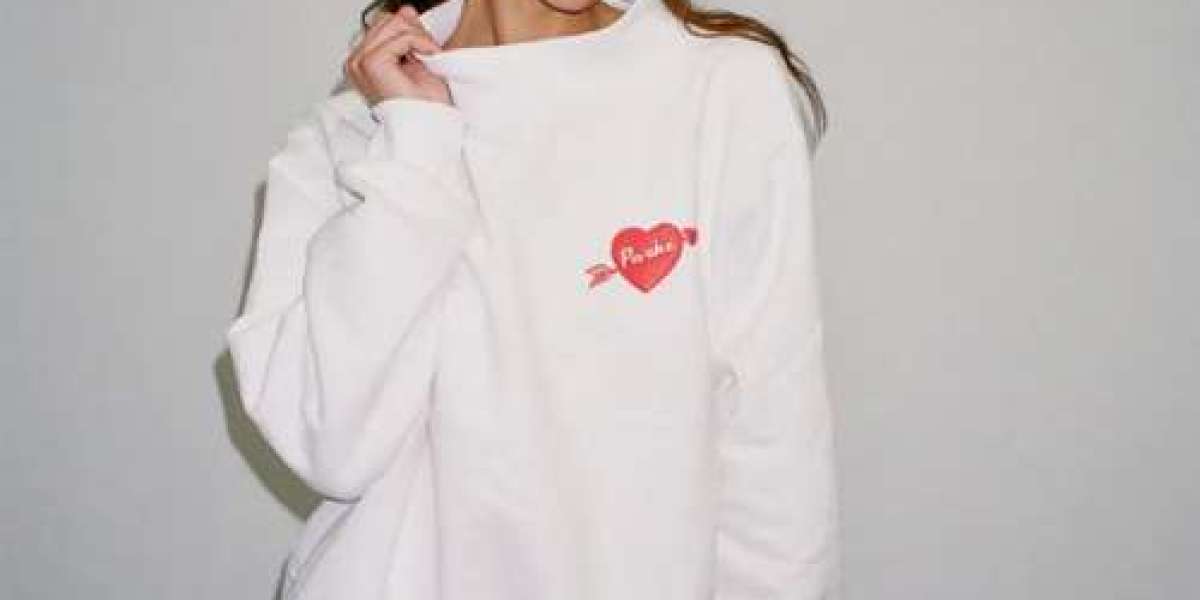

Most people are interested in fashion but don't want to spend hours deciding what to wear. It's not about having an endless wardrobe, but knowing how to mix and match outfits so that they look stylish while still feeling comfortable. The key to mastering style basics is whether your wardrobe leans towards casual streetwear parke hoodies or chic minimalism. Building a foundation for effortless outfit planning can be a game changer for anyone who wants to look stylish and save time.
Why outfit planning is important
It's not all about vanity. Outfit planning is also about confidence and practicality. A set daily style is important.
You can save time by using it in the morning.
You should feel comfortable wearing your clothes.
Avoid impulse purchases since you already know what you need for your wardrobe.
It helps you create a style that is uniquely you.
You'll be surprised at how easy it is to dress for an important event when you plan your outfits around the basics.
Step 1: Understanding Your Lifestyle Needs
It's important to assess your lifestyle before diving into fashion trends. Your wardrobe requirements will be different if you are a student than if you work in an office. For those who like to spend time outdoors, casual clothing is more important than formal wear. You should ask yourself:
How often will I need formal attire?
Do I spend the majority of my time in casual settings or formal ones?
Do I prefer comfort to trends or vice versa?
You can then prioritize the clothing items that you wear most often. Someone who works remotely, for example, may benefit from comfortable yet stylish pieces such as hoodies and sweatshirts.
Step 2: Building your capsule wardrobe
A capsule wardrobe is a foundation for effortless styling. A capsule wardrobe is a collection that allows you to mix and match items in order to create a variety of looks. Focus on the following to build your own:
Neutral colors include white, black, gray beige and navy.
Essential items include T-shirts and button-down shirts. Jeans, a jacket, sneakers and boots.
Statement pieces include a bold jacket, patterned shirts, and accessories with personality.
You'll never be stuck with "nothing" to wear if you keep your closet full of high-quality basics.
Step 3: Color Coordination
The colors you choose can make or break your outfit. Understanding color palettes will elevate your style.
Monochrome clothing creates a sleek, long-lasting look.
Colors that are complementary (opposite colors on the color wheel), add a boldness.
Harmony is achieved by using colors that are similar (that are next to each other in the color wheel).
If you are unsure about your color choices, choose neutrals. You can add a pop of color with accessories such as scarves or shoes.
Step 4: How to Layer Like a Professional
The best way to give an outfit more dimension is to layer. Layering a hoodie underneath a blazer or turtleneck under a slipdress, or a denim coat over a plain shirt can transform your appearance. It's important to balance the proportions.
Wear the innermost layer.
Add looser and more structured layers to the top.
Avoid looking flat by playing with textures.
Layering is a great way to stay warm in all seasons. Layering is great for all seasons. In the colder months you can layer on warm fabrics while in warmer temperatures you can opt for lightweight outerwear.
Step 5: Comfort meets Style
Never sacrifice comfort for style. Fashion is becoming more practical and stylish. Soft cotton tees and oversized hoodies are no longer just for loungewear. They're staples in everyday street style. It's important to choose items that are comfortable without being too restrictive. The perfect combination is a relaxed sweatshirt or hoodie paired with tailored pants or sleek sneakers.
Step 6: Accessorize the look
Accessorize your outfits to create a flawless look. The right accessories can elevate a basic outfit.
A minimalist watch can add sophistication.
Crossbody bags are functional and stylish.
The coolness of sunglasses is created by their use.
Hats, beanie hats or caps can add character.
Choose a few accessories that you can use repeatedly and without clashing.
Step 7: Choose Footwear Wisely
Shoes can make or break an outfit. With sneakers, a simple pair of jeans and tees looks casual but with loafers it becomes semi-formal. Consider having the following items in your wardrobe for an easy-to-wear look:
White sneakers in good condition.
Casual footwear for cooler weather
Dress shoes or loafers are appropriate for formal occasions.
For a relaxed day, slip on some comfortable sandals or slides.
By rotating between these basic skills, you will be prepared to adapt to different situations.
Step 8: Finding the balance between trendy and timeless
Fashion trends may come and go but timeless pieces will always be relevant. It's tempting, but a balanced wardrobe is the key to an effortless look. Invest in denim jeans, neutral hoodies, and blazers while adding trendy pieces seasonally. This ensures that your wardrobe is never outdated, but it's also not filled with items you will abandon in a few short months.
Step 9: Signature Pieces
A signature piece of clothing can make outfit planning easier. Some people choose leather jackets, while others opt for sneakers or oversized sweatshirts. Signature pieces create consistency and make daily decisions easier. You can create outfits quickly and easily when you have a go-to item.
Step 10: Elevating casualwear
Casualwear is not just for relaxing anymore. It's also a statement of fashion. You can dress up sweatpants or hoodies with the right style. The right pair of joggers can look stylish and comfortable when paired with a structured jacket or layered under a Parke Sweatshirt. Mixing casual items with refined ones, like sneakers and tailored coats, or sweatshirts underneath leather jackets is the secret.
Step 11: Planning your seasonal wardrobe
Style effortlessly to adapt to the seasons, without having your wardrobe overcomplicated.
Spring: light jackets in pastel colors and breathable fabrics.
Summer: Shorts and open shirts, cotton tees in lightweight fabrics.
Fall: Layering sweaters and boots in muted colors.
Winter: heavy coats, thermal layers and chunky scarves.
You can keep your wardrobe fresh by rotating seasonal basics.
Step 12: Plan Outfits in Ahead
Planning outfits in advance is one of the best hacks. You can plan your outfits for the week by taking a few moments on Sunday. Take into account the weather, your comfort level, and upcoming events. It will eliminate decision fatigue, and the "last-minute rush", which is common in the mornings.
Step 13: Minimal effort formula
This is a formula that will work every time you don't feel like thinking.
Choose a neutral foundation (such as black jeans with a white shirt).
Add one stylish layer to your outfit (a cardigan, hoodie or jacket).
Include an accessory.
Finish off with versatile footwear (sneakers, boots or sandals).
This structure is simple and will make you look professional without wasting any time.
Step 14: Common Outfit Planning Errors to Avoid
Even the most stylish people can make mistakes. Beware of these common pitfalls.
Too many layers can be a cause of overcomplication.
Comfort and practicality are ignored.
Shoes are an important part of style.
You forget to tailor your clothing for a perfect fit.
Often, correcting these mistakes can make the difference between appearing messy or effortless.
Step 15: Build Confidence through Style
Confidence is the key to effortless outfit planning. When you feel confident in your clothes, it will show. Your style will become more authentic the more deliberate you are in your wardrobe selections. Fashion isn't about strictly following the rules; it's more about knowing them and how to bend them into something that suits you.
Final Thoughts
Style basics aren't rigid rules, but flexible guidelines to simplify your daily life. You can create a closet where outfit planning is second nature by focusing on your lifestyle, capsule wardrobes and color coordination. This approach is based on essentials such as hoodies and sweatshirts, tailored pants, and sneakers that are versatile.
Anyone can look polished with a little planning and without having to worry about endless outfit options. It's not about having more clothes, but knowing how to make the most of what you have.