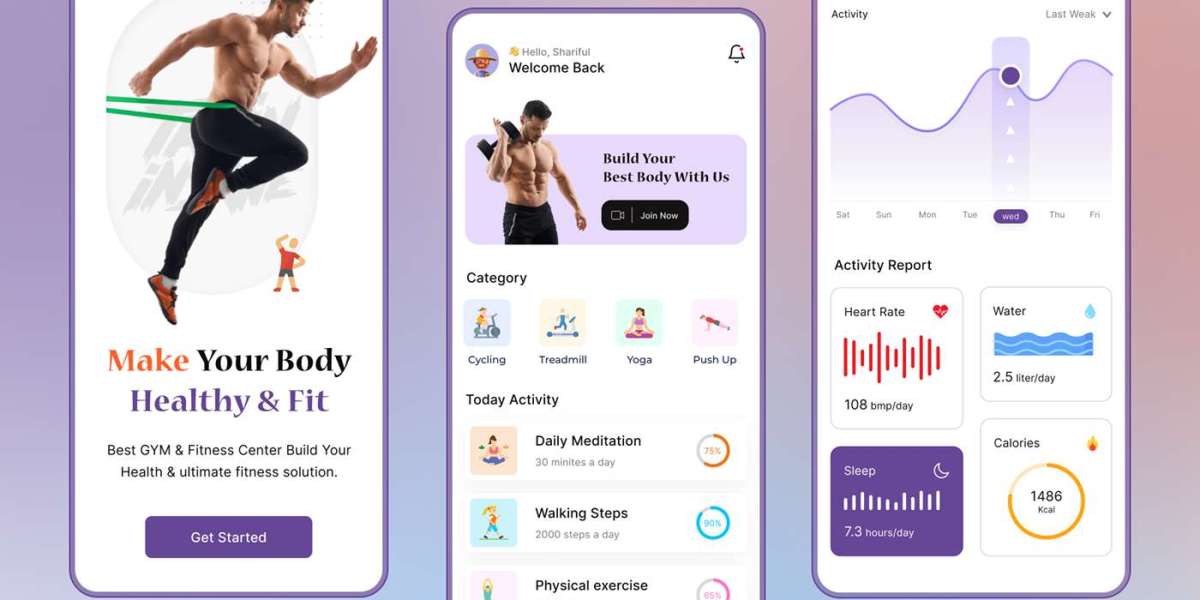

Digital transformation has reshaped the modern wellness industry, with the what market fitness platform emerging as the preferred alternative to traditional gyms. As consumers increasingly prioritize flexibility, affordability, and personalized routines, fitness apps offer instant access to tailored workouts, progress tracking, health analytics, and nutritional support—all within mobile devices. The shift toward home-based and hybrid workouts continues to grow as users seek more convenient ways to stay active.
Fitness App Market Size was estimated at 45.2 USD Billion in 2024. The Fitness App industry is projected to grow from 57.68 USD Billion in 2025 to 661.08 USD Billion by 2035, exhibiting a compound annual growth rate (CAGR) of 27.62% during the forecast period 2025–2035. This rapid growth is powered by advancements in digital coaching, machine learning models, AI-enabled performance video analysis, and predictive training algorithms. Fitness apps now offer training precision that rivals experienced personal trainers, making digital fitness more accessible and personalized than ever before.
Workout-on-demand culture is at its peak, with apps offering HIIT, yoga, strength training, cycling, pilates, and mobility routines tailored to user goals. AI models adapt workouts in real time based on fatigue, calorie burn, and movement pattern analysis. This creates training programs that evolve as users progress, eliminating the one-size-fits-all approach of traditional gyms.
Regionally, North America and Europe are leading this shift with strong digital infrastructure and established wellness communities. Asia-Pacific shows remarkable acceleration, especially among young populations who prefer mobile-based fitness over gym memberships. The Middle East and Latin America are witnessing steady adoption as smartphone penetration rises and fitness influencers promote digital health content.
The wellness revolution is expanding into mental health and recovery. Fitness apps now combine meditation, breathing exercises, sleep optimization, and habit formation tools, recognizing the link between emotional health and physical performance. This holistic approach is redefining what modern fitness means for today’s global population.
The next evolution of fitness apps will bring hyper-personalized metabolic analysis, AI-driven injury prevention systems, VR workout rooms, and multi-sensor body mapping technology. As digital ecosystems expand, fitness apps are becoming holistic wellness companions guiding users through long-term health transformation.
Top Trend Reports:
US Iot Digital Transformation Market
US Digital Experience Management Software Market